
TVA’s Dam Safety team achieved a major milestone a decade in the making.
In 2016, Dam Safety began implementing Semi-Quantitative Risk Assessments – the cornerstone for risk-informed decision-making. The team recently completed risk assessments for all of TVA’s significant and high-hazard classified dams, marking the first time all 49 dams have been assessed using this methodology.
These routine assessments are comprehensive, covering not only the primary dam structures but also the auxiliary structures such as saddle dams and dikes.
TVA completes about five of these assessments each year, with additional non-routine assessments performed as conditions warrant.

Dam Safety team member Wesley Jaynes documents critical field insights during an on-site inspection at Pine Dam.
Steven Matheny, Manager of Dam Safety Governance and Risk, explains that each assessment requires substantial time and effort to understand how the dams are performing and identify opportunities to strengthen their resiliency. The process incorporates inspections, instrumentation data, field observations and any emerging concerns.
Each TVA dam has a Responsible Engineering Manager (REM), and during these assessments, the REM and Risk Program Managers assemble a multidisciplinary team for a week-long workshop to evaluate potential scenarios, consequences and remediation options. The team also has access to extensive documentation that can assist with the discussion.
Following the workshop, the REM is responsible for a detailed report that undergoes a rigorous internal review. All team members populate the report with the risk assessment findings.
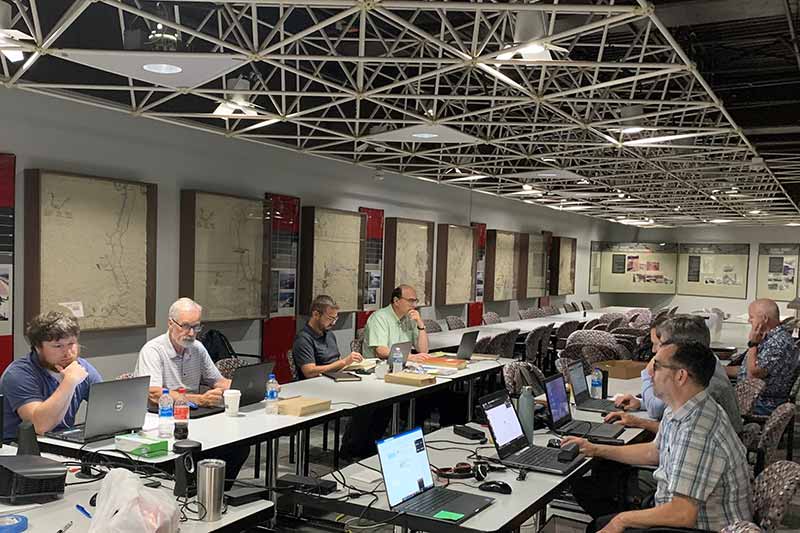
Experts from across disciplines gather at a dam workshop to estimate the risk and develop recommendations for the future.
The reports also undergo an independent review. The independent review teams are mostly external to TVA. The risk assessment process is one of several Dam Safety items that are subject to external reviews conducted by independent entities such as the Association of State Dam Safety Officials (ASDSO).
“From when we start planning to when we have the final report, each assessment takes about nine months to complete,” Steven said. “Coming out of every report, we have a list of recommendations that inform action plans. These action plans guide what we do next in Dam Safety.”
These actions can include non-routine activities such as a deeper investigation followed by a modification study, a design and an actual modification.
“About a third of our assessments end up with some sort of non-routine action,” Steven said. “These aren’t just research projects; they are helping us get better and be more effective.”
This work helps ensure the safety, reliability and longevity of TVA’s dams, which are essential to reducing the impacts of flooding and providing clean and reliable water, navigation, power production and recreation.
“TVA’s dams have consistently performed well during floods and earthquakes, thanks in part to the significant investments in Dam Safety projects informed by in?depth assessments like these,” said Pete Zimmerman, Senior Manager of Dam Integrity and Reliability. “When you’re entrusted with the stewardship of these dams, you remain laser?focused on safety standards and protecting lives and property.”
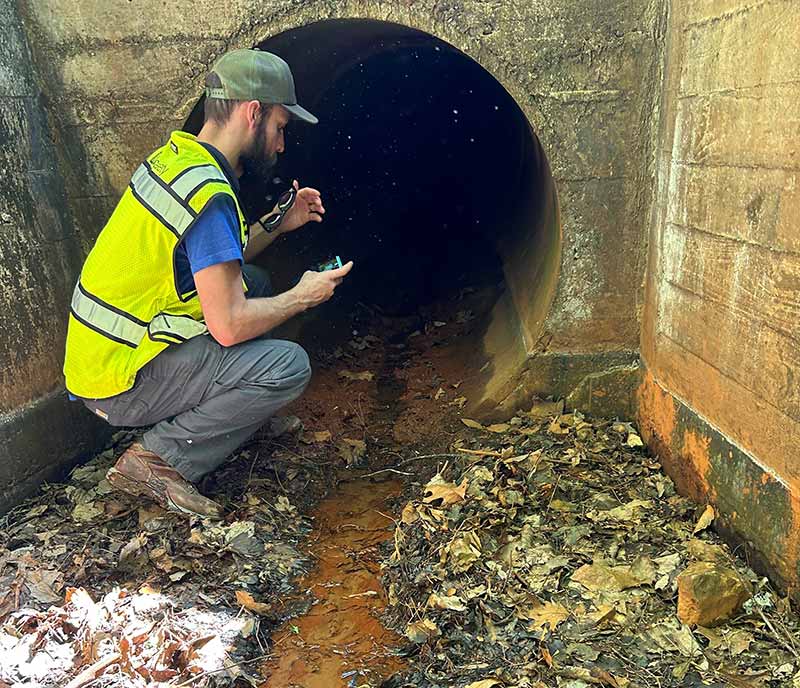
Dam Safety employee Ben Sollman takes photos of existing conditions at Raccoon Mountain Pumped Storage Plant to help ensure the site’s continued strength and reliability.