
Eli Lilly has announced plans to invest more than $6 billion in a new advanced manufacturing operation in Huntsville, Alabama, which will produce next-generation medicines.
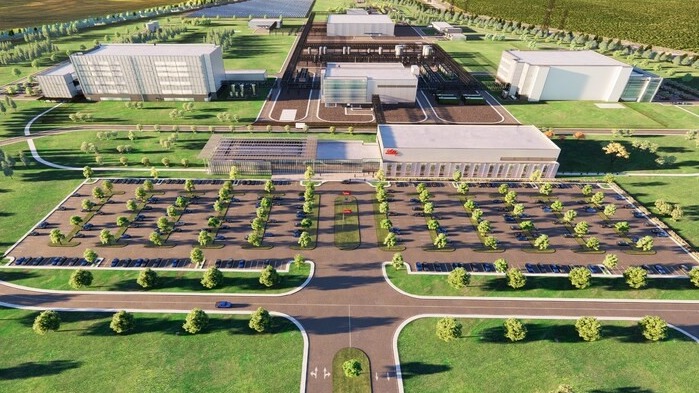 The project will be a boost for Huntsville’s economy. For every dollar Lilly invests, the company estimates up to $4 in additional local economic activity, and the facility’s manufacturing jobs also are expected to generate jobs in sectors including logistics, retail and supply chain.
The impact of the new facility will spread beyond Huntsville throughout North Alabama, said President and CEO Don Moul.
“We’re proud to partner with local leaders to bring quality jobs and long-term value to communities across our region,” Moul said. “Together, we’re building a stronger future – one that ensures families can thrive, businesses can grow and the Tennessee Valley continues to lead.”
Construction is set to begin in 2026, with completion slated in 2032. In addition to the permanent positions at the facility, the construction phase is expected to generate 3,000 jobs.
“Huntsville’s track record of science and innovation, supported by advanced manufacturing expertise and a skilled workforce, makes Alabama an ideal location for Lilly to expand domestic manufacturing capacity for next-generation medicines,” said David A. Ricks, Lilly chair and CEO.
Based in Indianapolis, Lilly has operations in more than 110 countries and 40,000 employees spanning the globe. The pharmaceutical giant is a leader in treatments involving diabetes, obesity, oncology, immunology and neuroscience and is seeking to bolster its capacity for active pharmaceutical ingredient production for its highest priority therapies.
At the new Huntsville facility, Lilly plans to use state-of-the-art technologies, including machine learning, AI, digitally integrated monitoring systems and advanced data analytics. Digital automation will be embedded throughout the site to streamline operations and ensure a reliable supply of safe, high-quality medicines.
The annual economic impact of Alabama’s bioscience sector is estimated at $7.3 billion. The state is home to more than 1,800 bioscience enterprises, and more than 15,000 people work in the industry, according to Commerce data.
Lilly chose the Greenbrier South site from more than 300 applications, partly based on its proximity to the HudsonAlpha Institute for Biotechnology, an established bioscience campus that supports workforce training and research. Other advantages include ready access to utilities, transportation and favorable zoning and incentives.